Zooming In on Baltimore City Schools with Christopher Papst
Resources
Failure Factory - book
Outline
Introduction to the Teacher as Podcast
Melissa Milner introduces herself as the host of the Teacher as Podcast, expressing her curiosity and inspiration as a teacher.
She mentions that this is the seventh season of the podcast, which releases episodes every other week.
Melissa thanks the Career Mentorship Program, Major Choice, for sponsoring the podcast and encourages listeners to rate and review the podcast on Apple Podcasts.
She introduces Christopher Papst, an investigative reporter from Fox 45 News in Baltimore, who works on the Project Baltimore team.
Overview of Project Baltimore
Christopher Papst explains that Project Baltimore is a team of five journalists dedicated to investigating public education in Baltimore City Public Schools.
The team launched in January 2017, choosing public education as their topic due to the disparity between funding and performance in Baltimore City.
Christopher highlights the federal data showing Baltimore City Public Schools as one of the most funded and lowest-performing large school systems in America.
He mentions his book, "Failure Factory," released in late 2025, which explores the reasons behind this disparity over eight years.
Initial Investigations and Findings
Christopher shares his initial skepticism when he arrived in Baltimore, having grown up in a household where public education was highly valued.
He recounts interviews with administrators and teachers who claimed the school system prioritized funding over education.
Over time, Christopher came to believe that the school system was indeed prioritizing funding, leading to the lack of control teachers felt and the lack of discipline for students.
He describes the data and testimonies from teachers and administrators that support his findings, emphasizing the lack of accountability and the systemic issues in the school system.
Investigative Process and Legal Battles
Christopher details his investigative process, starting with acquiring state testing data for all 165 public schools in Baltimore City.
He discovered six schools where no student tested proficient in any subject, leading to a viral story and more teachers reaching out to him.
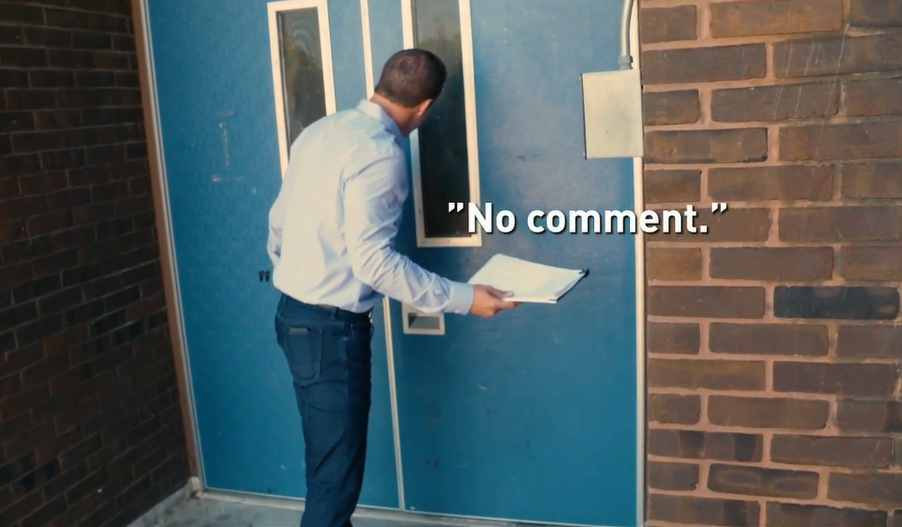
Christopher filed a public records request for documents related to grade changing, which was initially denied by Baltimore City Public Schools.
After suing the school system and winning in court, Christopher obtained 8,000 emails from teachers pleading with administrators to stop changing grades.
Impact of Grade Changing and Legal Consequences
Christopher explains how the grade-changing practices led to students graduating without meeting academic standards.
He describes the Maryland Inspector General's report, which found that over a four-year period, 12,542 failing grades were changed to passing grades.
The report also revealed that up to 10% of students in some schools were graduating without earning it.
Christopher emphasizes the importance of accurate data and the need for transparency in the school system to address these issues.
Broader Implications and Systemic Issues
Christopher discusses the broader implications of his findings, suggesting that similar issues exist in many public schools across America.
He highlights the disparity between graduation rates and proficiency rates in Baltimore City, questioning how 70% of students can graduate with only 10% proficient in math.
Christopher argues that the focus on funding over education is a systemic issue that needs to be addressed.
He calls for better accountability from public officials and the need for community involvement in demanding better educational outcomes.
Efforts to Improve Education and Policy Changes
Christopher mentions a chapter in his book dedicated to what is working in Baltimore City, highlighting schools that are succeeding despite the systemic issues.
He discusses the need for policy changes and political accountability to improve education.
Christopher emphasizes the importance of setting high expectations for students and holding disruptive students accountable.
He calls for a shift in focus from funding to actual educational outcomes and the need for community involvement in demanding better education.
Challenges and Personal Reflections
Christopher reflects on the challenges of reporting on these issues day in and day out and the emotional toll it takes.
He shares his frustration with the lack of accountability and the need for community action to demand better education.
Christopher discusses the broader social and economic impacts of underperforming schools, including increased crime and poverty.
He calls for a national conversation about the state of public education and the need for systemic changes to improve outcomes for all students.
Conclusion and Call to Action
Christopher encourages listeners to read his book, "Failure Factory," to better understand the issues and demand better education.
He provides contact information for himself and invites listeners to continue the conversation.
Melissa Milner thanks Christopher for his time and encourages listeners to evaluate their own districts using the data and insights from the book.
The podcast episode concludes with a reminder to rate and review the podcast and information about the sponsor, the Career Mentorship Program, Major Choice.